
Being in the database is for plebs
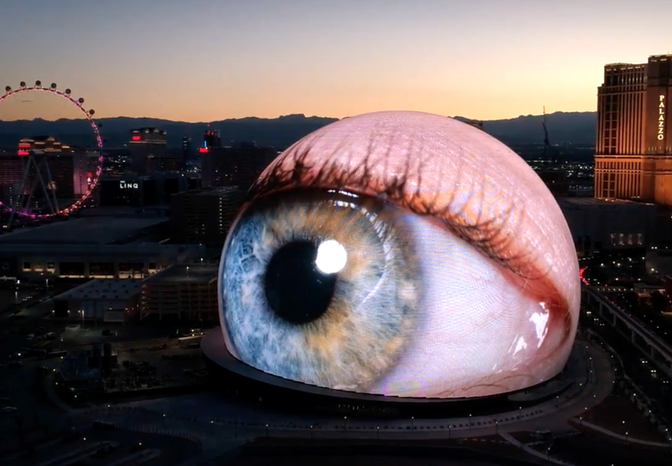
Swift had James Dolan’s facial recognition turned off for her wedding day. The rest of us don’t get that privilege
On Monday, The New York Times ran a piece on a growing obsession of the super-rich: the armored car. Mark Burton, founder and president of Armormax, says there’s been a spike of interest in his company’s services since “the riots” (by which he means the overwhelmingly non-violent actions following the police murder of George Floyd).
One of Burton’s customers, Karyn Kobayashi, owns a car equipped with ballistic armor, night vision, and onboard gas masks. She’s the funemployed parent of a midrange anime YouTuber. The existential fear that drove her purchase: “running into some sort of protest.”
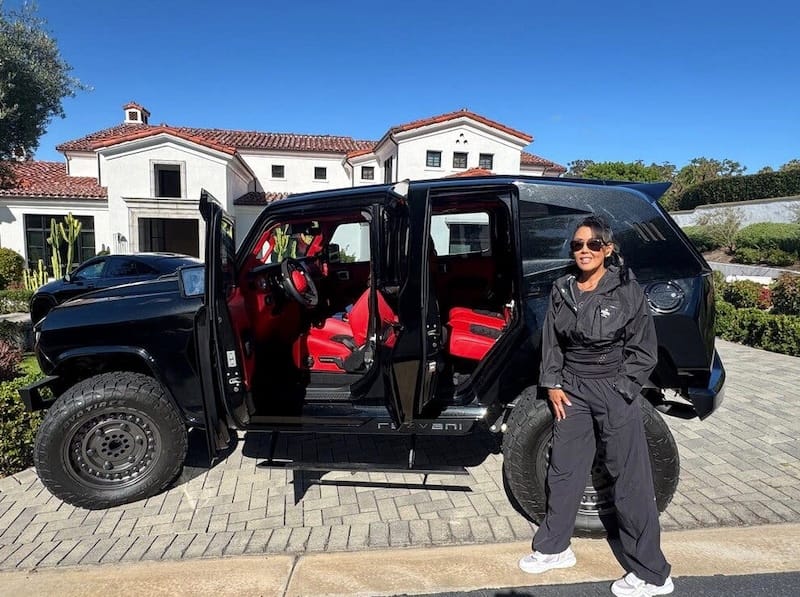
Extreme wealth creates brain problems. This is easy enough to believe, but there’s research on it, too: it makes you more greedy, less social, and less empathetic. It makes you think you need a shotgun-armed escort to take you to the movies. The paragon of this psychologically fascinating class is New York City’s James Dolan, billionaire heir, Oedipus at the Garden. Or, as he likes to be known, Executive One.
Dolan owns three entertainment industry icons: Madison Square Garden, Radio City Music Hall, the Sphere. He is the Kurtz of childhood birthday hotspots—he runs them like an authoritarian mini-state. Using the full spectrum of police surveillance tech, he is stalking RedBubble t-shirt designers. He is harassing gender outlaws. He is performing facial recognition-powered risk assessments on Knicks fans. (Note that he also gets very upset if you put in the newspaper that he got mad.)
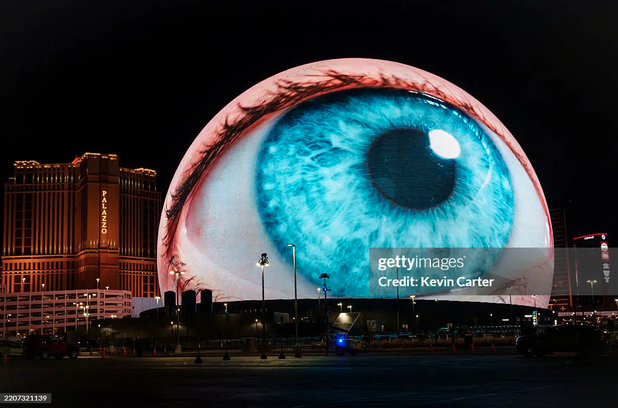
When news broke Taylor Swift would be holding her wedding at MSG, I think I had a fairly common reaction. Why? Why would a well-traveled billionaire, an artist, an aesthete, host her most special day at the sauceless venue squatting atop the NJTransit terminal? Can any volume of peach-pink curtains cover up what must be a world-historic beer stench?
Today we got a clearer answer, because Wired just broke the news that Dolan’s facial recognition network went dark the night of the event.
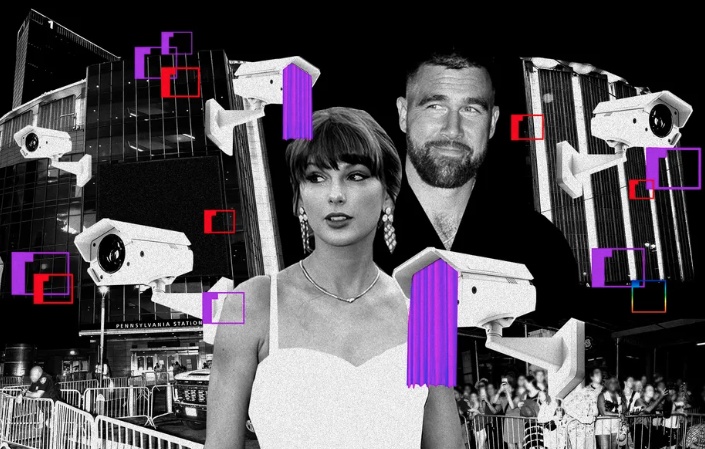
It seems Swift chose the Garden because she wanted something only Dolan and a few others can provide: a hard perimeter between the powerful, who get their privacy, and the rest of us, who don’t. Swift, Dolan, Palantir, ICE: they “deploy,” while the rest of us watch. Being in the database is for plebs.
Why does privacy matter? It’s a question that doesn’t get asked much of other USian “rights,” like free speech, free movement, and the ability to associate and gather. But privacy from technological spying matters for many of the same reasons. It is valuable: there is a reason Taylor Swift would pay millions of dollars for just one day of it.
Privacy is psychological safety: think of the abusive punishment of removing the bedroom door. Privacy is feeling respected, like a real agent in the world, like part of something; like yourself. “Dance like no one is watching” sounds trite, but it really means feeling free.
When surveillance tech isn’t limited, when it’s actually promoted as necessary for safety, the rich and powerful take our privacy and our freedom from us to preserve their own, delusional, vision of psychological safety. They retreat into their armored cars, push the smokescreen button, and leave us in the dust.
Member discussion